Context
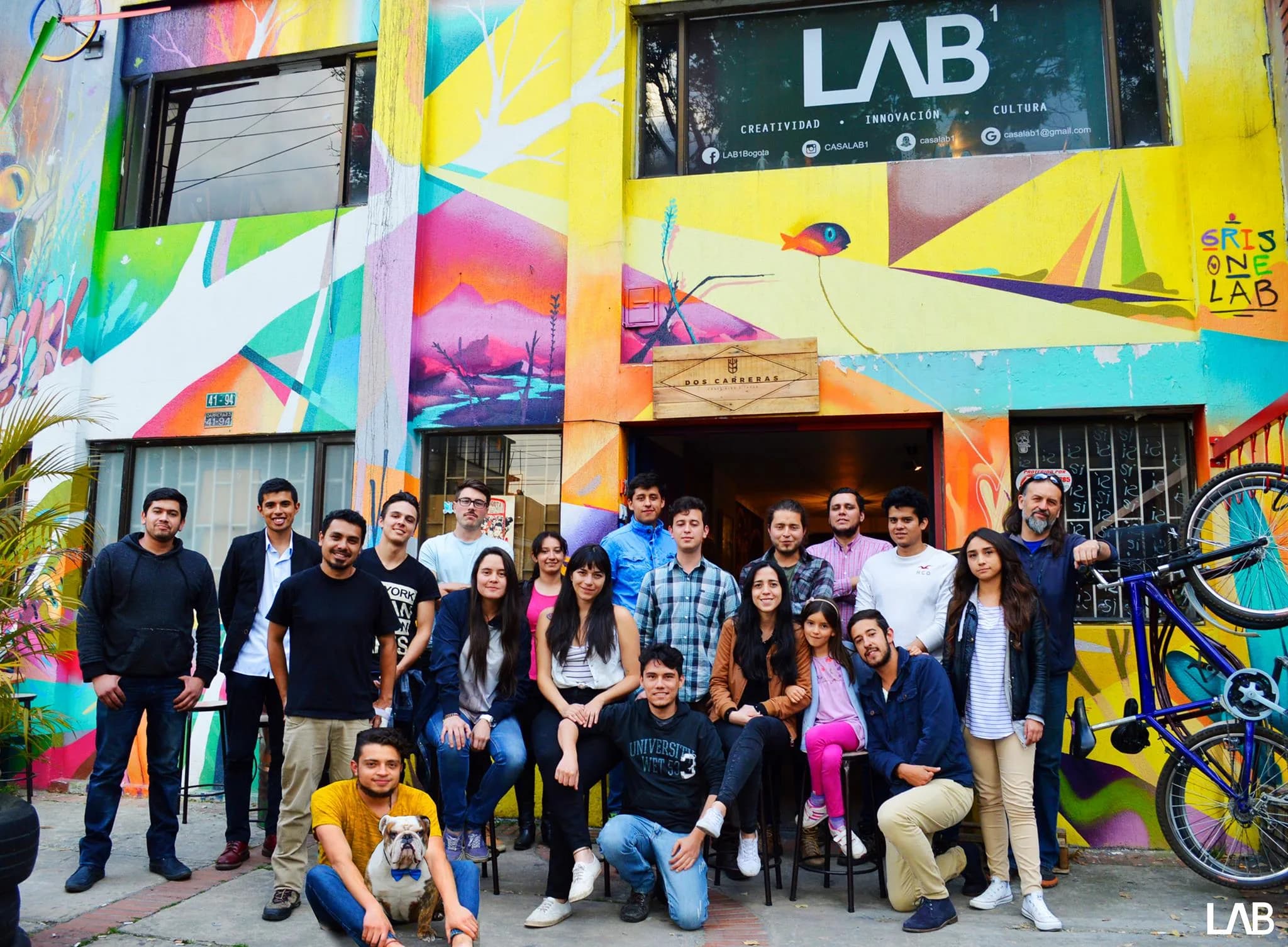
2015-2020, Bogota. Nico was one of the founders. A group of architecture students took over an abandoned house in Park Way and turned it into a shared base for work, prototyping, culture, and mutual support. From day one it was meant to be used, not curated. People came in with projects, tools, ideas, and time, and built the place while building their work. Nico's role shifted over the years, from community creator to branding to experience designer.
The Space
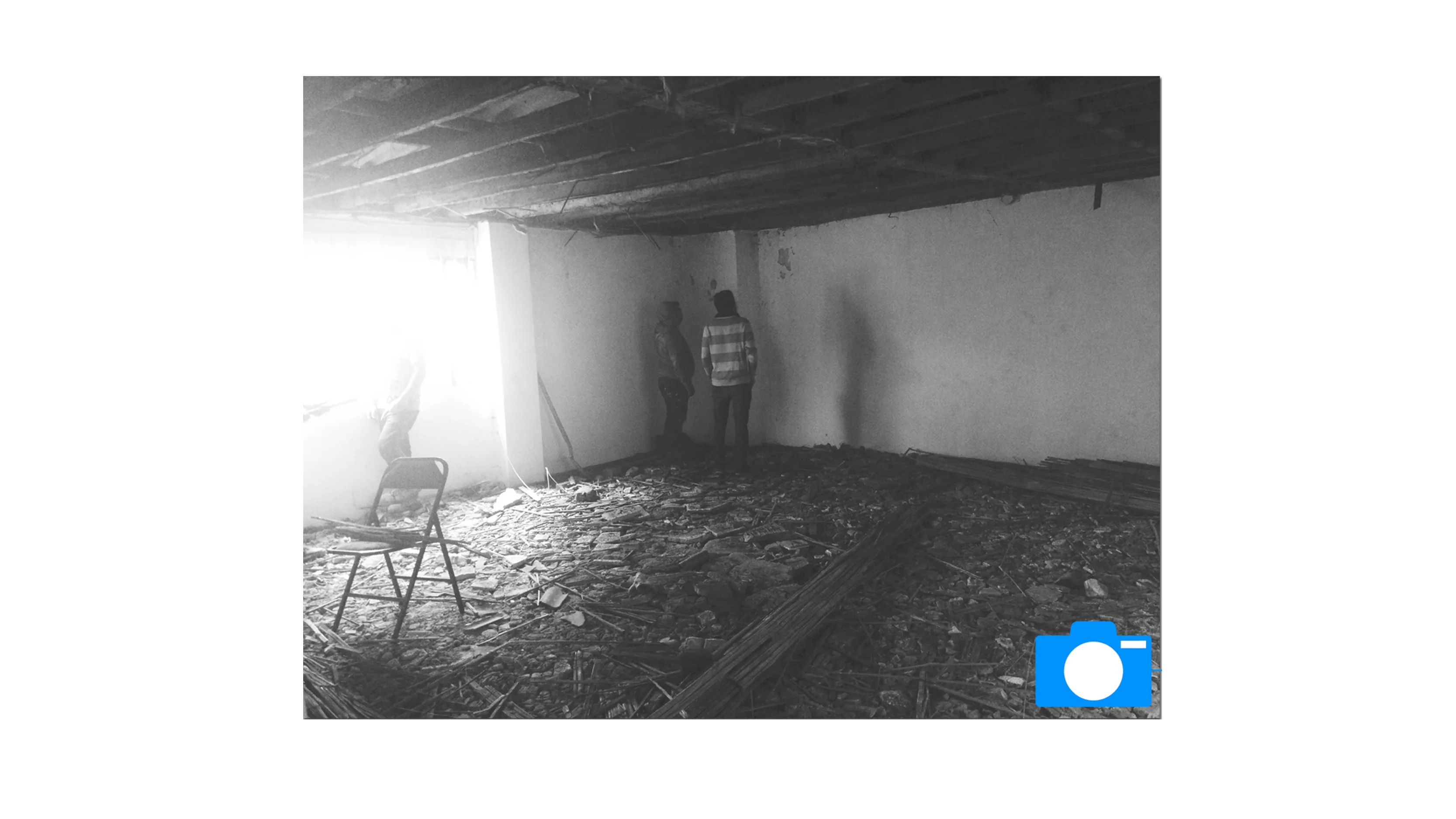
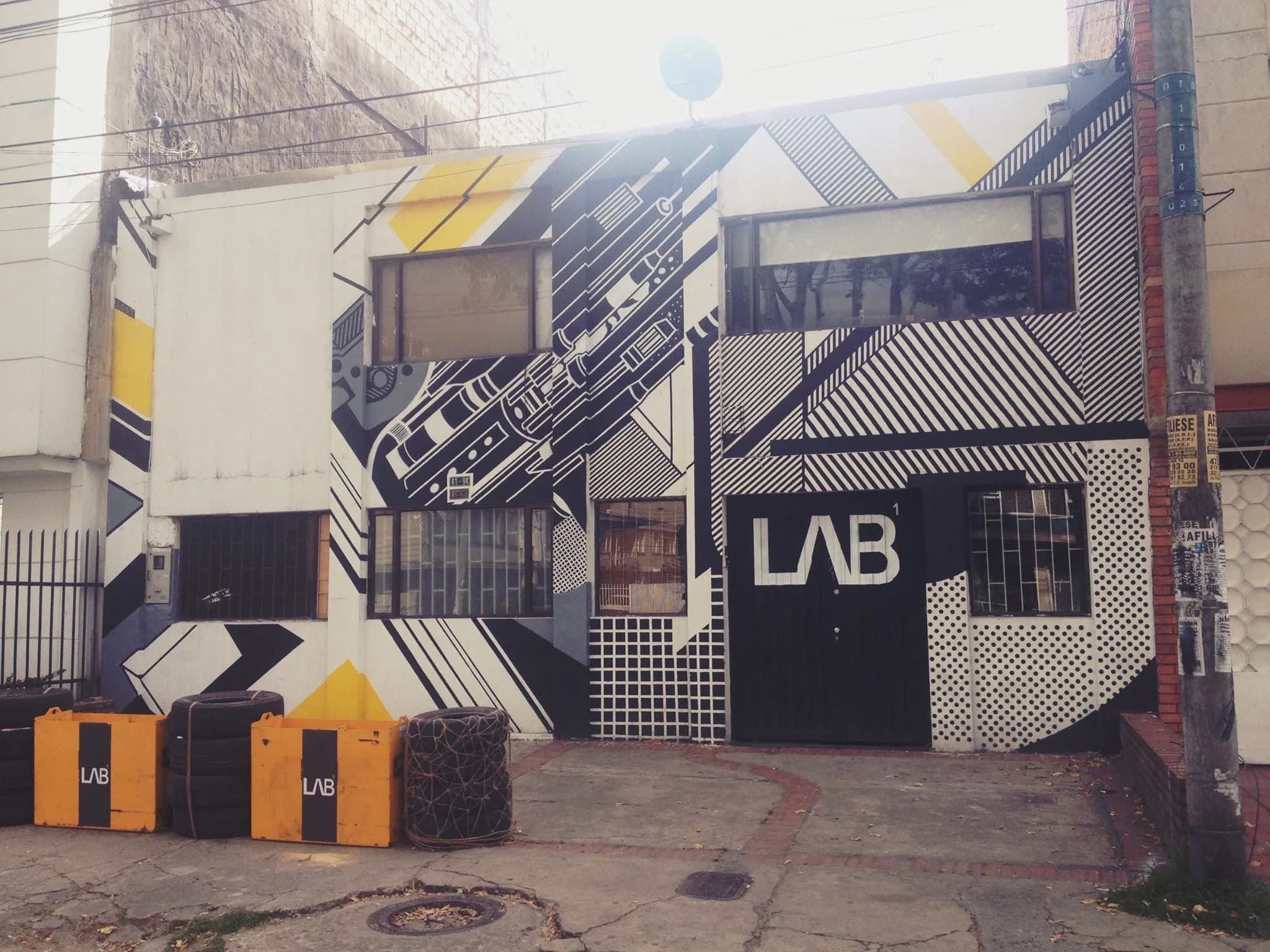
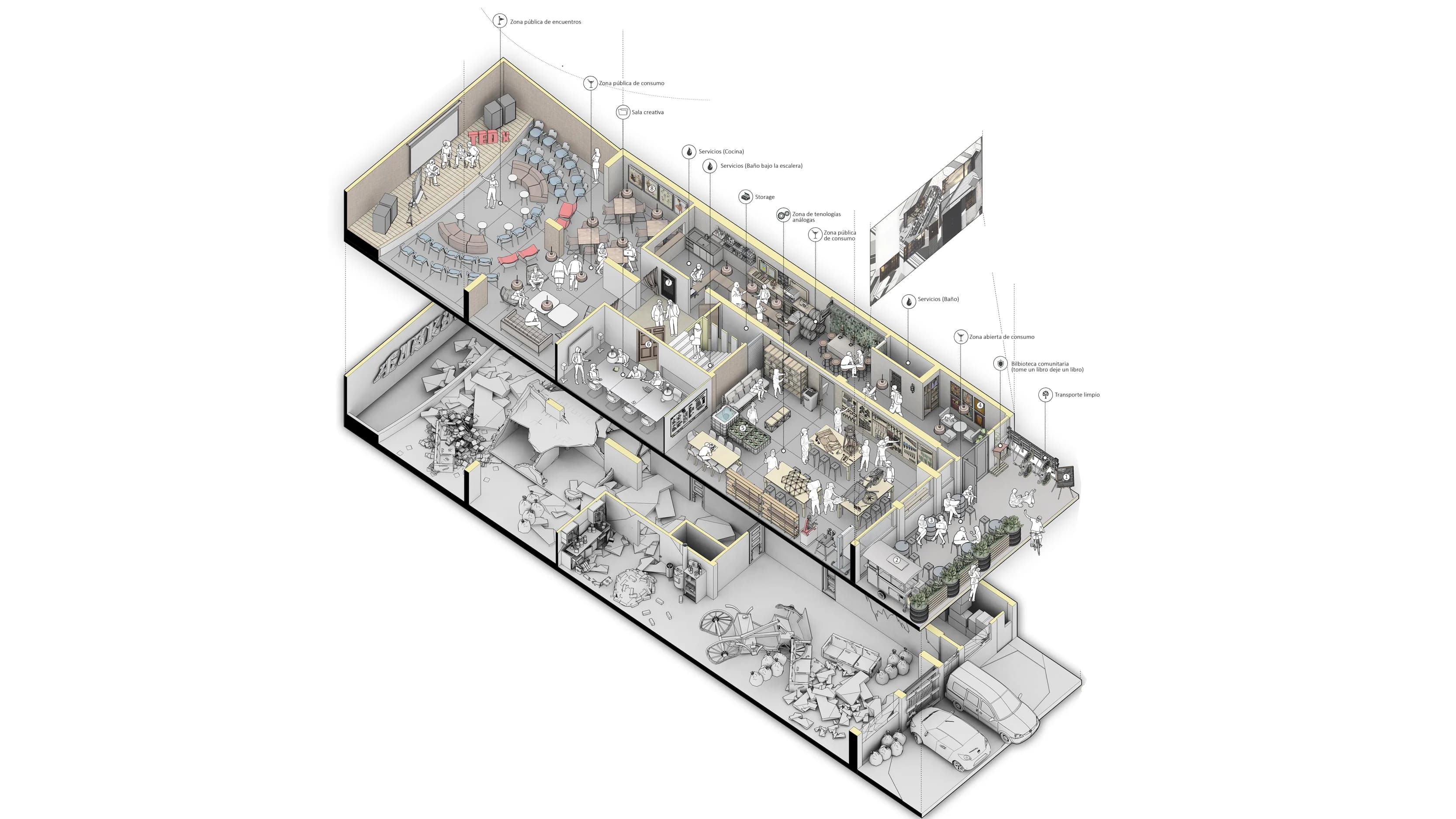
The house went through several transformations. What started as rubble and exposed beams became coworking desks, a workshop, a gallery wall, and a stage. The isometric plan below shows the final layout: a public meeting zone at the front, coworking in the middle, a prototyping workshop at the back, and a community library tucked into the side. Every corner had a function, and most of them were built by hand.
What Happened Inside
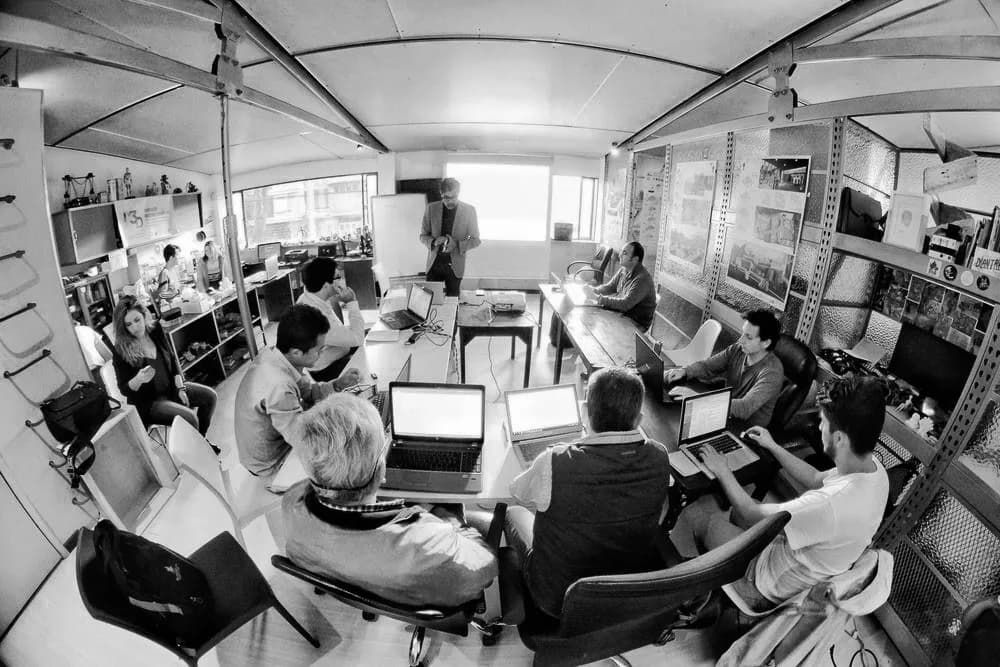
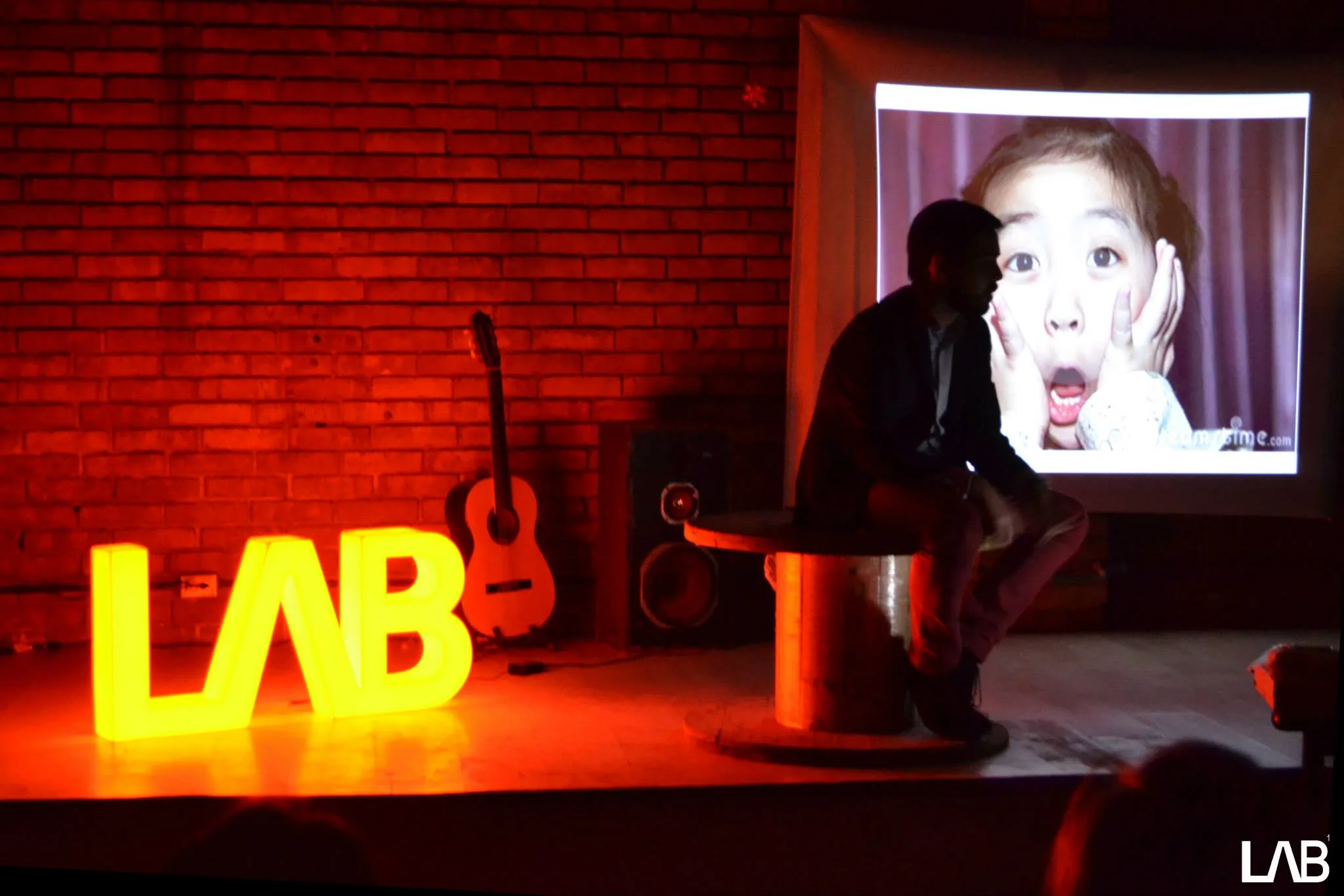
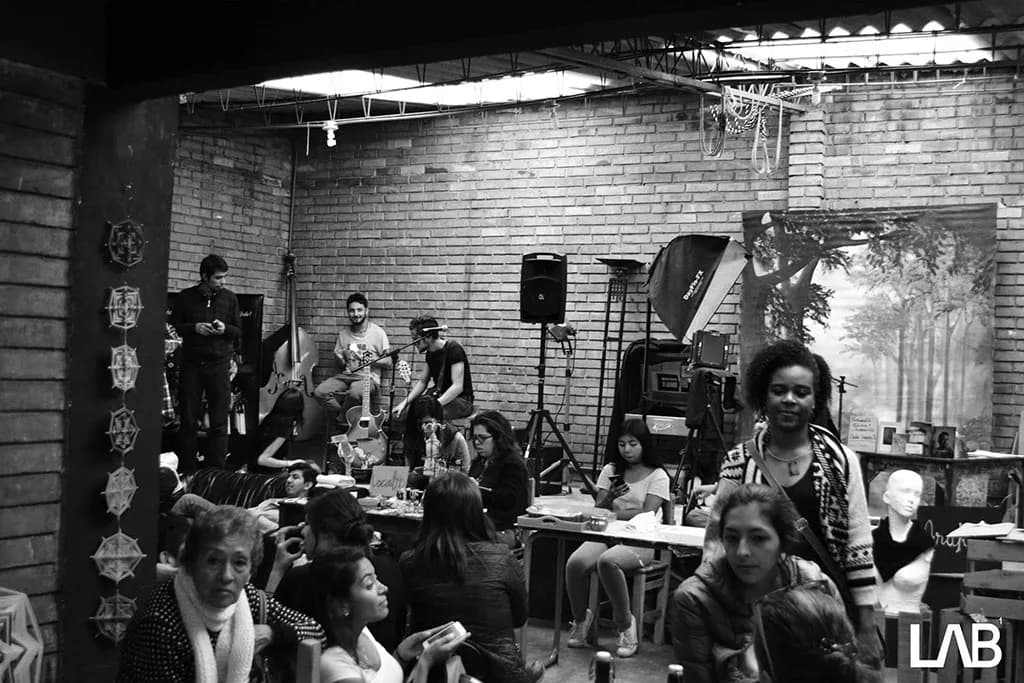
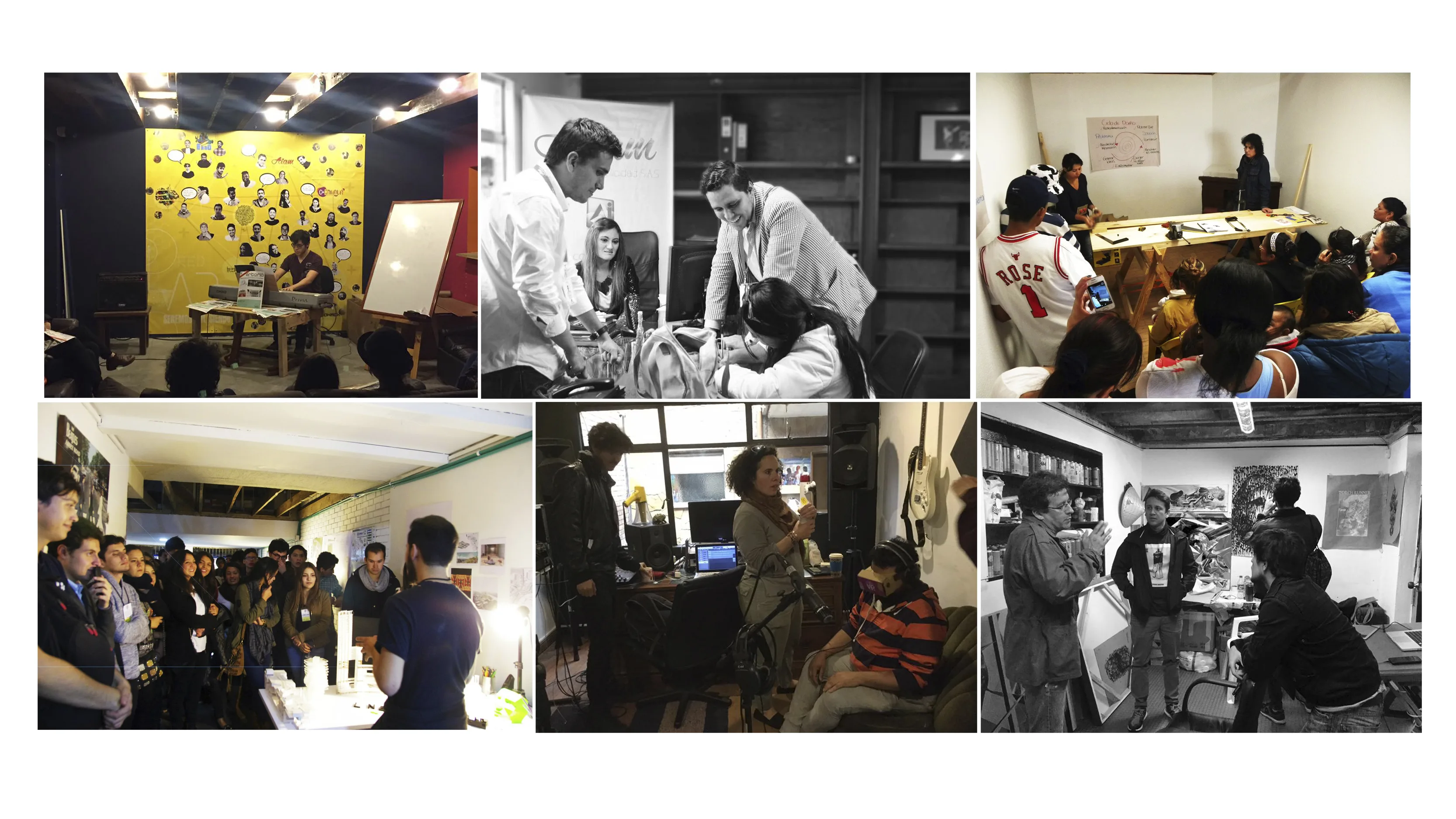
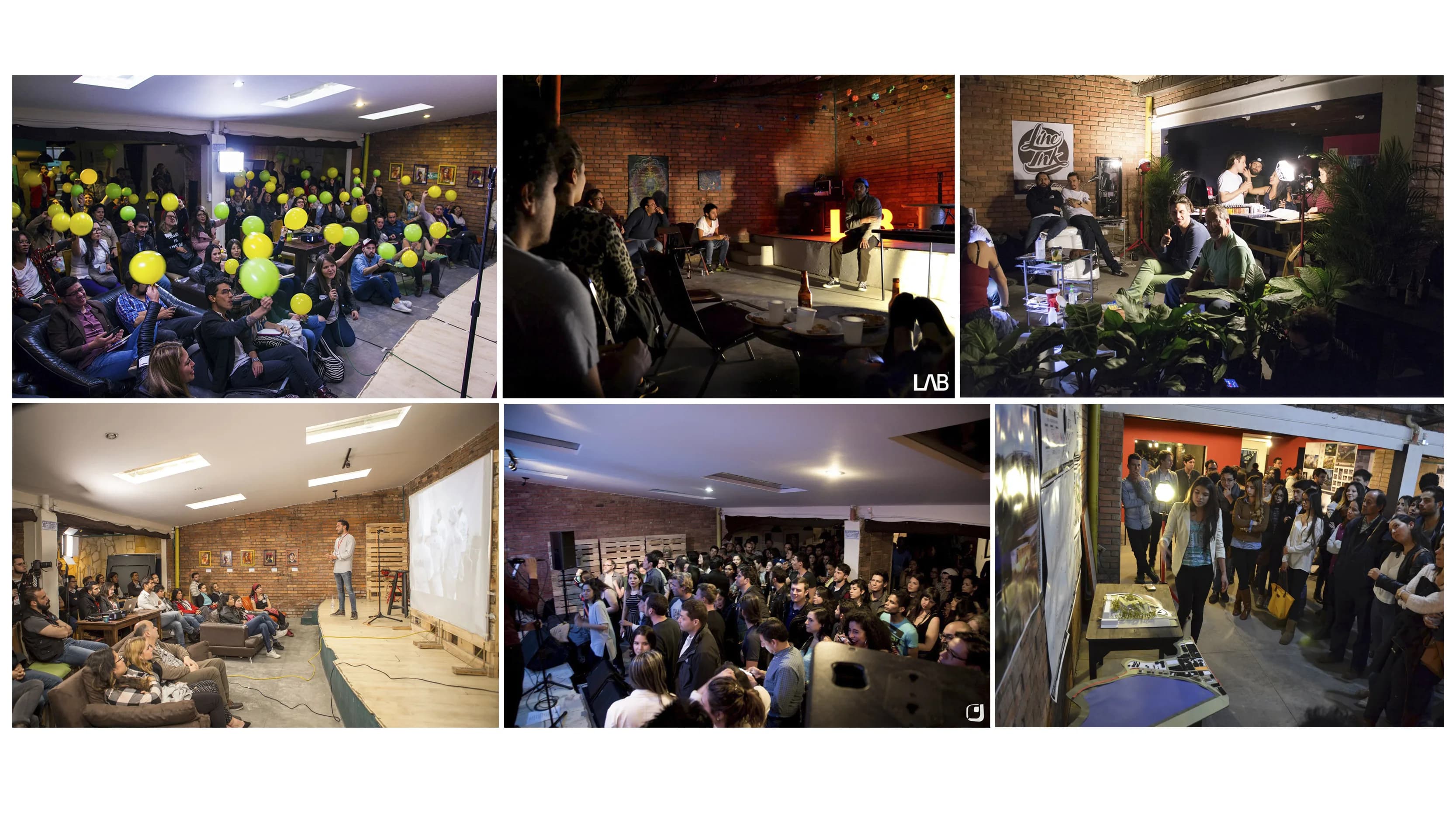
Inside, it functioned like a messy mix of coworking, workshop, and cultural venue. We hosted concerts, exhibitions, talks, openings, classes, and plenty of late-night experiments with machines. Over time it grew into a bigger ecosystem: dozens of collectives sharing the same roof, with projects ranging from a citizen lab for prototyping to 3D-printed prosthetics for kids, plus arts and music workshops, theatre, and even a small brewery setup.
Being a Good Neighbor
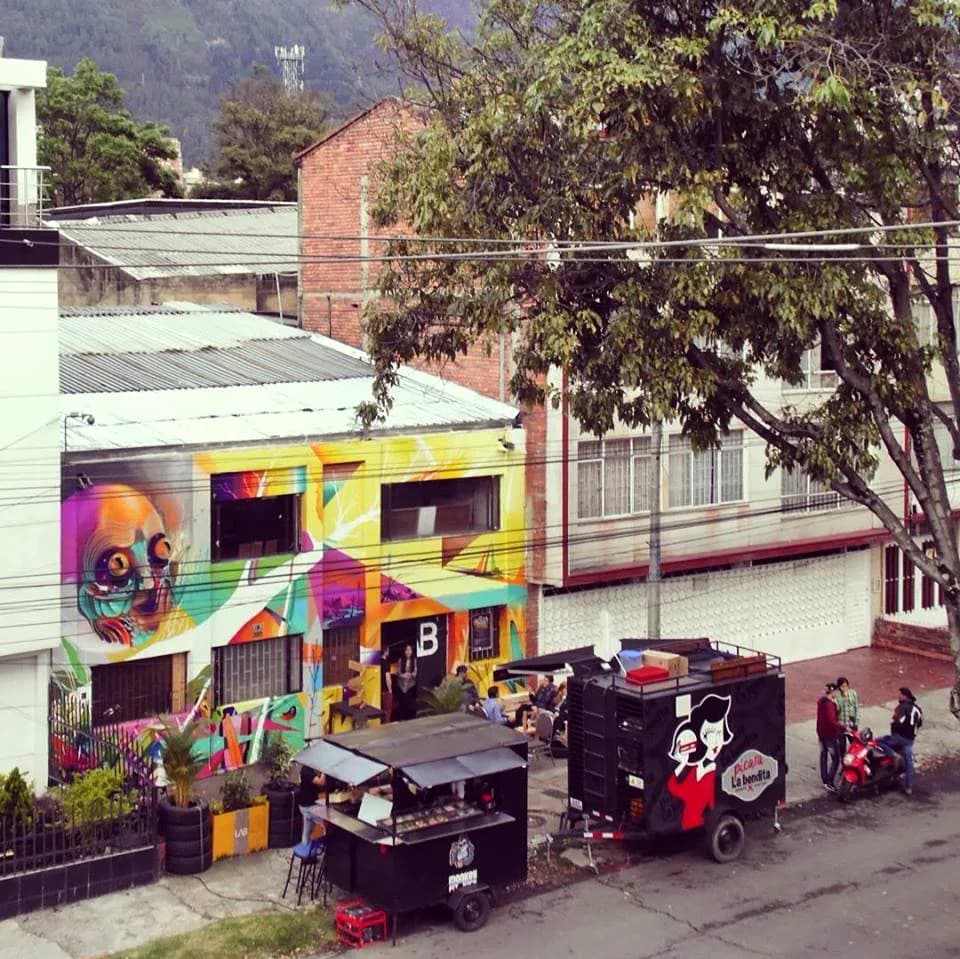
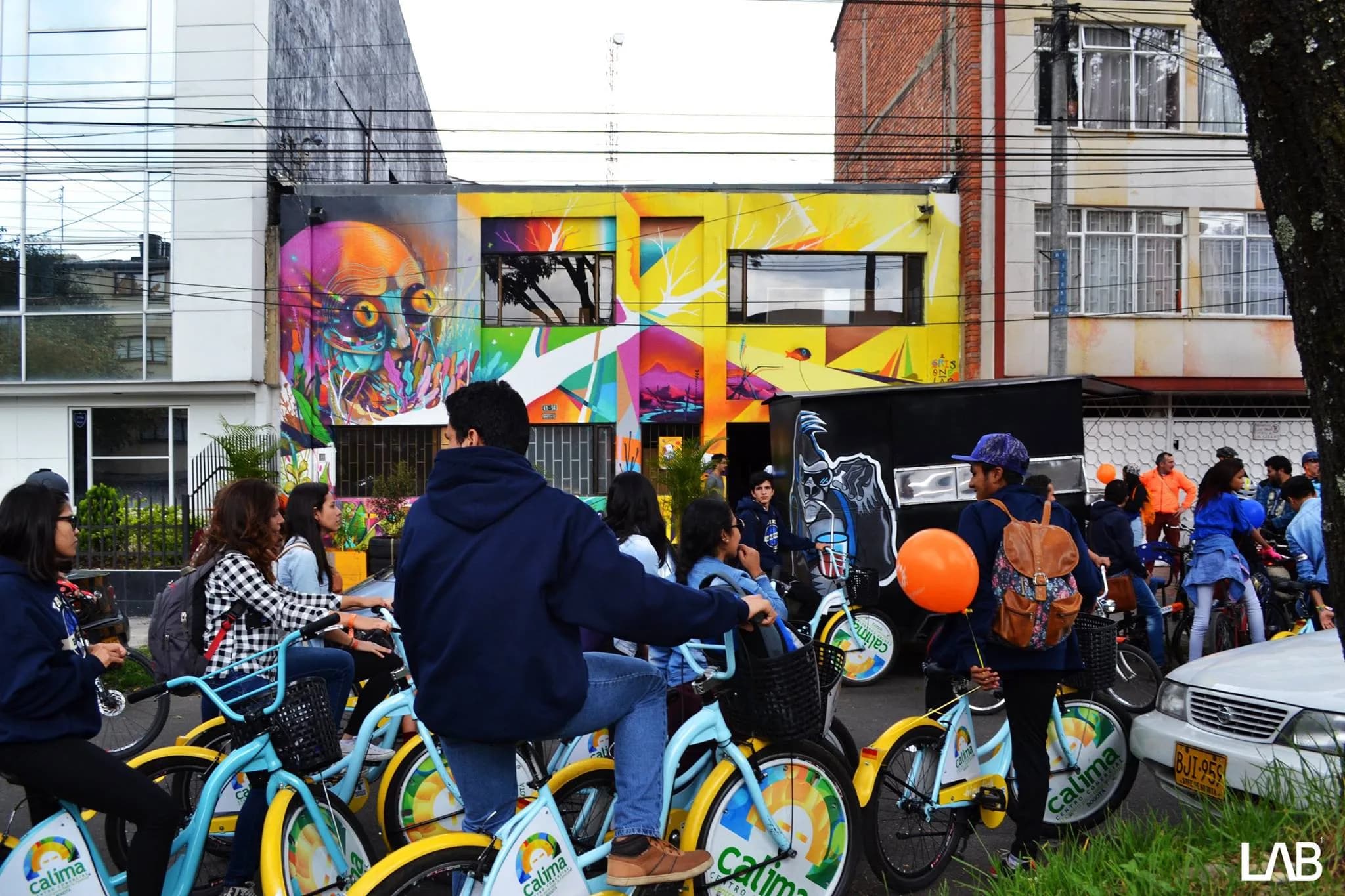
One of the most important parts, and the hardest, was realizing that "having a space" isn't the same as being a good neighbor. At some point we got publicly called out by local residents for noise, smells, and increased activity on the street. It forced real conversations, a lot of back-and-forth, and eventually agreements that let the project continue while involving all sides. That shift changed how we worked: less inward-facing, more accountable, and more intentional about how we host people and share space.
Impact
LAB1 ran for five years and became well documented: it appeared in ArchDaily Colombia and won a student prize at the Biennale. But the real impact was less visible. It proved that a self-organized space could sustain itself, grow a creative ecosystem, and learn to coexist with its neighborhood. Not perfectly, but honestly.